

Are you struggling to decide on the perfect pixel pitch for your LED display? Let’s simplify the process and ensure you make the best choice LED screen display.
Discover the key factors to consider, such as budget and future-proofing, to help you achieve the optimal resolution for your display needs.
With this guide, you’ll navigate the pixel pitch selection with confidence and freedom.
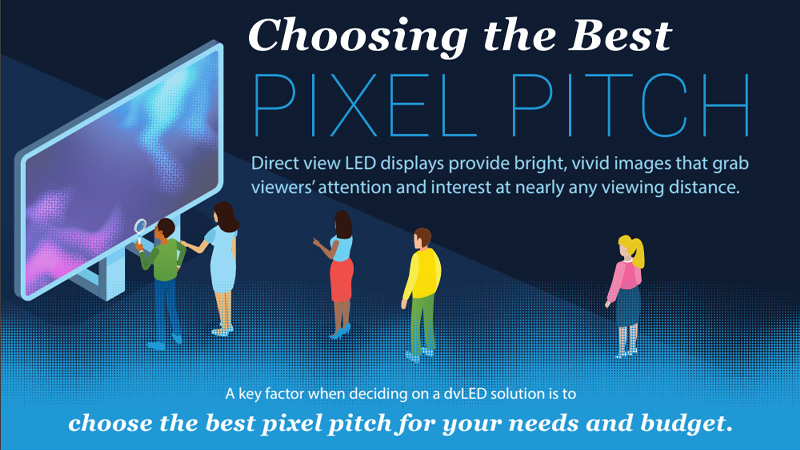
Importance of Pixel Pitch
When you select an LED display for your needs, the importance of pixel pitch can’t be overstated. Pixel pitch refers to the distance between the center of one pixel to the center of an adjacent pixel on an LED screen https://therev.my/led-display-screen/.
A smaller pixel pitch means higher pixel density, resulting in sharper images and clearer content on your display. It’s crucial to consider the viewing distance when choosing the right pixel pitch for your LED display.
For instance, if your display will be viewed from a closer distance, a smaller pixel pitch is recommended to maintain image quality. Understanding the significance of pixel pitch will help you make an informed decision and ensure that your LED display meets your expectations.
Factors Affecting Pixel Pitch Selection
Considering the optimal viewing distance is crucial when selecting the pixel pitch for your LED display. The distance at which your audience will be viewing the screen directly impacts the pixel pitch you should choose.
A general rule is that the closer the audience, the smaller the pixel pitch required for a clear image. Another factor to consider is the content you plan to display. High-resolution images or detailed videos require a smaller pixel pitch for sharpness.
Additionally, the size of your LED display and the space available for installation play a role in determining the optimal pixel pitch. By evaluating these factors, you can confidently choose the right pixel pitch that meets your display needs.
Determining Optimal Pixel Pitch
To determine the optimal pixel pitch for your LED display, assess the viewing distance and content requirements, considering the audience proximity and image sharpness needs.
The viewing distance plays a crucial role in deciding the ideal pixel pitch. For shorter distances, a smaller pixel pitch is recommended to ensure sharpness, while longer distances can accommodate larger pixel pitches without compromising quality.
Consider the type of content you’ll display; detailed graphics or fine text require a smaller pixel pitch for clarity, whereas simpler content may be acceptable with a larger pitch.

Considerations for Budget and Resolution
To make an informed decision on the pixel pitch for your LED display, factor in your budget and desired resolution. When considering budget, remember that lower pixel pitch usually means higher costs. Opting for a finer pixel pitch enhances image quality but might strain your budget. If cost is a primary concern, a slightly higher pixel pitch could be a more economical choice without compromising significantly on display quality.
Additionally, think about the resolution you aim to achieve. A higher resolution demands a finer pixel pitch for sharper images. However, if your content doesn’t require ultra-high definition, you could save money by selecting a slightly larger pixel pitch while still maintaining a good display quality that suits your needs.
Future-Proofing Your LED Display
When future-proofing your LED display, prioritize scalability to accommodate advancements in technology and content demands. Opt for a modular design that allows for easy upgrades and maintenance.
Choose a pixel pitch that balances current needs with potential future requirements. Consider opting for a slightly higher resolution than what you currently need to ensure your display remains relevant as technology progresses.
Invest in a display with high-quality components that can support new features and functionalities as they become available. Stay informed about industry trends and upcoming technologies to make informed decisions about your LED display’s future readiness.
Conclusion
So, when choosing the right pixel pitch for your LED display, consider factors like viewing distance, budget, and resolution. By determining the optimal pixel pitch for your specific needs, you can ensure a high-quality display that meets your requirements.
Don’t forget to future-proof your display by considering potential upgrades and advancements in technology. Make an informed decision to get the most out of your LED display investment.


