DIY lizard repellents work by sensory disruption and microhabitat alteration, producing short-term, localized occupancy reductions that degrade with volatility, weather and habituation. Common DIY tactics (capsaicin sprays, bitter coatings best lizard repellent, ultrasonic units) provide transient deterrence and carry safety or non‑target risks. iGreenAsia applies exclusion engineering, habitat modification, monitored deterrents and data logging with regulatory safeguards and outcome guarantees. Professionals deliver more durable, measurable reductions and lower cumulative cost for recurring issues. Continue for protocol details and decision criteria.
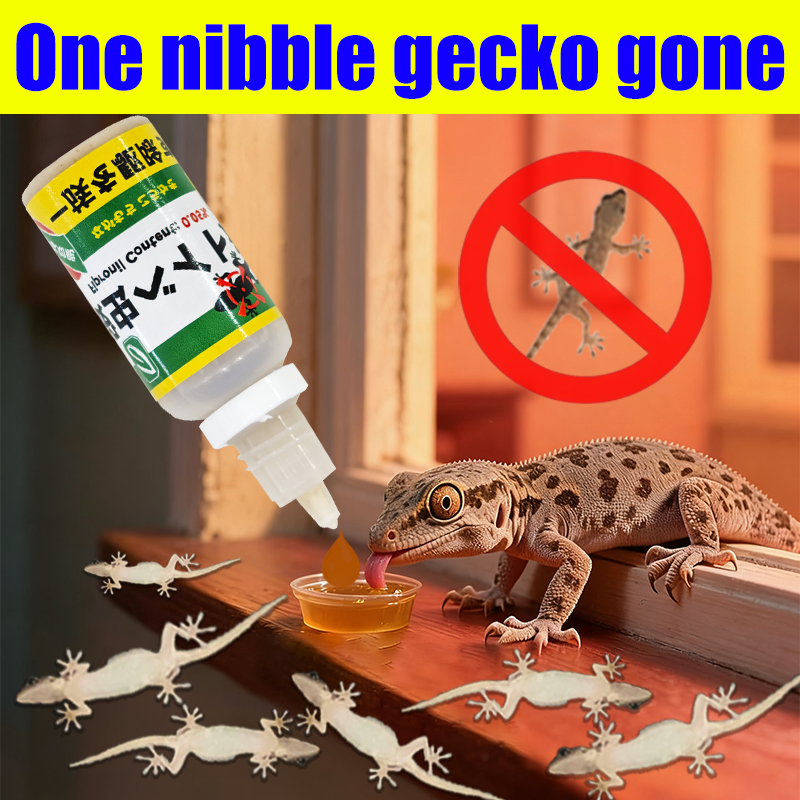
How DIY Lizard Repellents Work and What They Can (Realistically) Do
Frequently, DIY lizard repellents rely on sensory disruption—odor, taste, or tactile cues—to alter reptile behavior rather than causing mortality https://igreenasia.com/. The mechanisms operate through temporary aversion: volatile compounds create scent barriers that reduce occupancy, bitter or irritant substances deter feeding, and physical deterrents change surface texture to discourage contact.
Empirical literature indicates these interventions shift microhabitat use but do not eliminate populations; reptiles relocate to adjacent suitable sites unless broader habitat modification reduces shelter and prey availability. Effect durability is limited by compound volatility, weathering, and habituation.
For individuals valuing autonomy, targeted application and monitoring enable adaptive management without reliance on specialized services. Oversight of non-target impacts and iterative reassessment optimize outcomes while preserving ecological function.
Common DIY Methods Compared: Effectiveness, Safety, and Risks
When evaluating common DIY lizard repellents—such as scent-based sprays, taste deterrents, physical barriers, and environmental modifications—effectiveness should be assessed against three metrics: occupancy reduction, duration of effect, and non-target impacts.
Pepper sprays and homemade scent blends can produce short-term avoidance but require frequent reapplication; they pose inhalation and pet-risk concerns.
Ultrasonic devices show inconsistent field performance; laboratory claims often fail in complex indoor/outdoor acoustics.
Physical barriers and habitat modification yield the most reliable occupancy reduction when correctly installed, with minimal toxicity.
Taste deterrents risk non-target ingestion and limited persistence.
- Comparative efficacy: barriers > habitat change > pepper sprays > ultrasonic devices.
- Safety profile: barriers/habitat (low) > ultrasonic (variable) > pepper/taste (higher).
- Operational risk: reapplication, exposure, and false security.
iGreenAsia Professional Solutions: Methods, Guarantees, and Environmental Safeguards
iGreenAsia employs an integrated lizard management protocol combining targeted exclusion engineering, calibrated habitat modification, and monitored behavioral deterrents to achieve measurable occupancy reduction while minimizing non-target impacts.
The company documents baseline populations via integrated monitoring, applies exclusion (sealing entry points, retrofit screening) and selective habitat alteration (light, moisture, vegetation adjustments) informed by species-specific behavior.
Deterrents are deployed as monitored, reversible devices with efficacy trials and data logging.
All interventions adhere to regulatory compliance frameworks, with material safety data, permit verification, and reporting provided to clients.
Guarantees are outcome-focused: predefined occupancy thresholds and remediation timelines supported by follow-up inspections.
Environmental safeguards prioritize mechanical and behavioral approaches, limiting chemical use to targeted, authorized applications under strict stewardship and audit trails.
Cost, Time, and Long-Term Results: DIY vs iGreenAsia Side-by-Side
Although upfront costs and timelines vary widely between homeowner-led methods and professional intervention, a direct comparison clarifies trade-offs in efficacy, predictability, and lifecycle expense.
The assessment contrasts DIY initial outlay, variable time investment, and uncertain long term costs against iGreenAsia’s standardized pricing, documented protocols, and warranty-backed maintenance schedules.
Empirical metrics favor professional application for sustained reduction in lizard activity and lower cumulative expense when repeat DIY treatments are frequent.
- Initial cost vs lifecycle cost: DIY materials low upfront but higher long term costs if reapplication frequency increases; iGreenAsia shows higher initial fee, lower projected cumulative expense.
- Time investment: DIY requires recurrent labor; professionals minimize homeowner hours and deliver measurable response timelines.
- Predictability and monitoring: iGreenAsia provides data-driven follow-up reducing variability in outcomes.
How to Choose: When a Quick DIY Fix Is Enough and When to Call iGreenAsia
Why choose a quick DIY fix versus professional intervention depends primarily on infestation scale, risk tolerance, and desired certainty of outcome.
Assessment metrics include sighting frequency, spatial distribution, and evidence of breeding.
For low-density, transient presence below seasonal thresholds and low property vulnerability, targeted exclusion, habitat modification, and repellents can satisfy autonomous operators seeking minimal intervention.
When frequency exceeds thresholds, damage is recurrent, or occupants have low risk tolerance, escalation to iGreenAsia is advised.
Professionals deploy validated protocols: integrated pest management, structural remediation, and monitoring with quantified success rates.
Decision criteria should weigh cost-benefit, time to resolution, and legal or health implications.
The pragmatic choice optimizes freedom through informed risk assessment: DIY for containment, iGreenAsia for eradication and long-term mitigation.
Conclusion
DIY lizard repellents offer limited, short-term deterrence through sensory disruption or habitat alteration but lack species-specific efficacy, durability, and regulatory oversight. Common home methods—smells, barriers, traps—vary in effectiveness and carry safety or environmental risks. iGreenAsia’s professional interventions employ targeted exclusion, habitat modification, and monitored treatments with documented efficacy, warranties, and compliance measures. For minor, transient sightings DIY may suffice; persistent, health-risk, or structural-infestation cases warrant iGreenAsia’s evidence-based, insured services.
…


 Creativity and innovation are crowned with the idea that it is an innate gift that some receive at birth. Conversely, we can see that we can develop creativity and innovation by becoming observers of the world around us.
 Knowing How To Take Time For Yourself